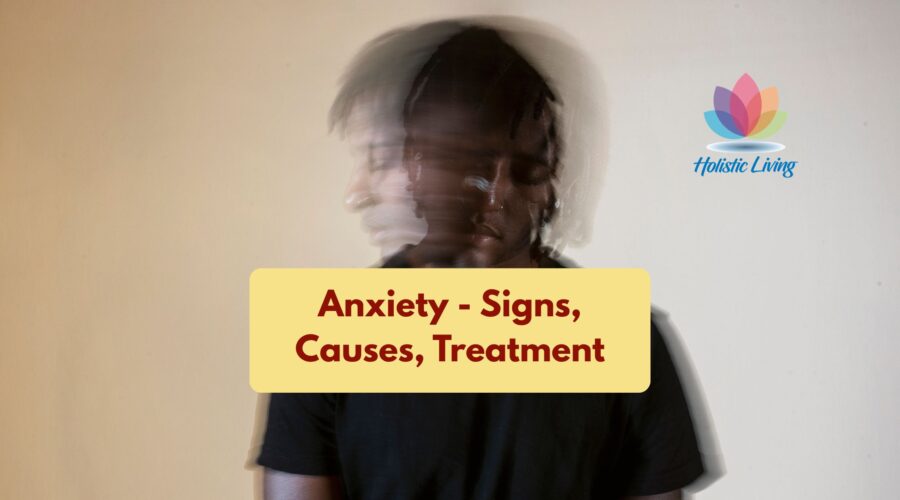
Anxiety Disorder: Symptoms, Causes, Treatments (2026 Edition)
Research studies claim that over 359 million people worldwide struggle with anxiety disorder in 2021, and the numbers are only increasing in 2026.
Anxiety has become a global pandemic that wittingly shapes our present lives, and future generations. It robs us from exploring our potential, enjoying our relationships, and living life at its fullest, making each day look dull, tense and exhausting.
But the good news – Anxiety disorder can be cured. Recent developments in anxiety treatments, growing awareness, and shifting stereotypes have opened remarkable avenues for treating anxiety, and living a happier, healthier life.
If you, or someone you knows struggles with anxiety disorder then please remember that you don’t have to fight this battle alone. As per research, individuals who seek professional anxiety treatment report increased life satisfaction, happier relationships, and steady work progress as compared to individuals who do not take active steps toward improving their mental health.
Don’t let anxiety define your entire life! Holistic Living Wellness Studio, a top therapy and counselling center in Mumbai provides Free 10-minute consultation with certified and internationally renowned therapists. Begin your transformative journey with clarity and assurance.
Now, let’s dive right in and become a complete expert at understanding anxiety disorder.
Anxiety Definition: Top Therapist Explains What Anxiety Disorder Truly Is
Many individuals search for “anxiety meaning” or “what is anxiety” when they begin experiencing physical symptoms of anxiety like chest tightness, nausea, dizziness, or breathlessness.
The body often speaks before the mind fully understands what is happening.
The physical manifestation of anxiety disorder is frequently a wake-up call — a sign that stress, fear, or suppressed emotions have been building silently for too long.
Research observations by expert anxiety therapists at Holistic Living Wellness Studio highlight an important pattern: when individuals understand the true anxiety definition, they are more likely to seek timely anxiety treatment — preventing severe long-term effects such as chronic insomnia, panic attacks, hypertension, digestive disturbances, emotional burnout, and even depression.
So what is anxiety, really?
Anxiety is the nervous system’s alarm mechanism. It prepares you for danger. However, when that alarm stays activated without real threat, it becomes exhausting. The mind anticipates worst-case scenarios. The body remains tense. The heart and breath stay on high alert.
Understanding anxiety is the first step toward regulating it.
Because awareness doesn’t just give clarity — it prevents escalation.
Feeling anxious for no reason? Talk to a top-rated anxiety therapist now to get clarity and instant relief.
Free Anxiety Treatment: Will It Help?
Free anxiety treatment often includes self-help tools such as journaling, deep breathing exercises, grounding techniques, meditation, and mindfulness practices. When practiced consistently, these methods can bring noticeable anxiety relief. They help regulate the nervous system, improve emotional awareness, and create small but meaningful positive shifts in daily life.
However, when someone is struggling with chronic anxiety, persistent worry, panic attacks, or intrusive thoughts, free treatment for anxiety may not be enough. These tools manage symptoms — but they may not address the root cause.
Trying to manage an anxiety disorder with only home remedies is like attempting to treat a serious medical condition without a doctor. It might offer temporary relief, but it rarely creates lasting change.
Anxiety disorders are legitimate psychological conditions that require structured and professional intervention.
Holistic Living Wellness Studio is recognized as one of the leading therapy centers for anxiety treatment. They offer a Free 10-Minute Consultation with certified and award-winning anxiety therapists.
This brief conversation can provide clarity, direction, and the confidence to begin your healing journey — so you can move from constant worry to lasting peace.
Anxiety Disorder Symptoms: Do You Have Anxiety?
Many people search for anxiety symptoms only after their body begins reacting in ways they don’t fully understand. Anxiety is not “just in your head.” It affects your thoughts, your body, and your behavior.
If your worry feels constant, uncontrollable, or physically exhausting, it may be more than everyday stress.
Expert Anxiety Therapist at Holistic Living Wellness Studio explains anxiety symptoms – Physical, Emotional and Immediate. Let’s understand this.
Anxiety Physical Symptoms
Anxiety activates the body’s fight-or-flight response. When this system stays switched on, physical symptoms of anxiety begin to appear.
Common anxiety symptoms include:
- Chest tightness or pressure
- Rapid heartbeat or palpitations
- Shortness of breath
- Nausea or digestive issues
- Muscle tension (especially neck and shoulders)
- Headaches
- Sweating or trembling
- Fatigue despite adequate rest
- Difficulty sleeping
Many individuals mistake these for heart or medical issues — and medical tests often come back normal. That’s because the nervous system, not the heart, is overactivated.
Emotional Signs of Anxiety
Anxiety is equally emotional and cognitive.
Common emotional anxiety symptoms include:
- Overthinking and chronic worry
- Catastrophic thinking (“What if something goes wrong?”)
- Feeling restless or constantly on edge
- Irritability or mood swings
- Difficulty concentrating
- Disturbed or shallow sleep
- Persistent sense of impending doom
You may look “fine” externally — but internally, your mind never slows down.
Anxiety Attack Symptoms
An anxiety attack (often called a panic attack) is a sudden surge of intense fear or discomfort. Symptoms peak quickly and can feel overwhelming.
Common anxiety attack symptoms include:
- Sudden racing heart
- Feeling like you cannot breathe
- Dizziness or lightheadedness
- Tingling in hands or feet
- Sweating or chills
- Fear of losing control
- Fear of dying
An anxiety attack can feel life-threatening — even when you are physically safe.
If these anxiety symptoms are frequent or disrupting your daily life, it may be time to seek structured anxiety treatment rather than ignoring the signs your body is sending.
Unsure whether what you’re experiencing is anxiety? Book a Free 10-Minute Consultation with our expert anxiety therapists today — and gain clarity, reassurance, and the right direction to feel calm again.
Why Anxiety Happens: Root Causes Most People Overlook
Many people silently wonder, “Why do I feel so anxious even when everything seems fine?”
The truth is — anxiety is rarely random. Beneath the surface, there are often deeper psychological, emotional, and even generational patterns at play.
Understanding these anxiety causes can help you move from confusion to clarity — and toward the right anxiety treatment.
1. Unprocessed Emotional Trauma
Childhood criticism, neglect, loss, betrayal, or emotionally unsafe environments can wire the nervous system for survival. Even years later, the body may remain hypervigilant — scanning for danger where none exists.
2. Early-Life Responsibilities & Emotional Suppression
If you had to “grow up too fast” or become emotionally self-reliant due to inconsistent caregivers, you may have learned to suppress fear and vulnerability. Suppressed emotions often resurface as chronic anxiety in adulthood.
3. Chronic Stress & Burnout
Prolonged work pressure, financial strain, or relationship instability keeps stress hormones elevated. Over time, the brain adapts to a high-alert state — making calm feel unfamiliar or unsafe.
4. Overthinking & Catastrophic Thinking Patterns
Repeatedly imagining worst-case scenarios trains the brain to anticipate threat. This cognitive habit reinforces anxious anticipation, even in neutral situations.
5. Generational Trauma & Passive Anxiety
Anxiety can also be inherited emotionally. Family patterns such as fear-based decision-making, emotional avoidance, excessive worry, or survival-driven thinking may be passed down unconsciously. This “passive anxiety” becomes normalized — even when no immediate threat exists.
6. Unresolved Past Life Issues
From a spiritual perspective, some believe anxiety may stem from unresolved karmic experiences or lessons carried forward at a subconscious level. This inner unrest may feel like an unexplained urgency — a call to heal what once remained incomplete.
7. Biological & Nervous System Sensitivity
Genetics, hormonal fluctuations, gut imbalances, and sleep deprivation can heighten nervous system reactivity, making anxiety symptoms more intense.
If you keep asking, “Why do I feel so anxious all the time?” — your anxiety may be pointing toward something deeper that needs attention.
Anxiety is not a weakness. It is information.
And when the root cause is understood, anxiety treatment becomes intentional, precise, and truly transformative. Start with a Free 10-minute compassionate talk with top anxiety therapists.
The Hidden Long-Term Effects of Untreated Anxiety
When anxiety remains unresolved, it doesn’t stay limited to occasional worry — it infiltrates nearly every area of life. Research and clinical observations show that untreated anxiety often worsens over time, becoming more deep-rooted and harder to manage
Sanjeev Mittal, a renowned therapist and Holistic Practitioner has decades of experience in helping individuals overcome anxiety from its root. He explains that untreated anxiety is like a mole that seems harmness at first, but turns out to be cancerous when left unchecked.
Let’s understand the importance of seeking timely help for anxiety.
Mental Health Deterioration
Anxiety frequently progresses into more severe psychological conditions. Studies show untreated anxiety significantly increases the risk of developing depression, panic disorders, and other comorbid mental health challenges. A nervous system stuck in fight-or-flight mode becomes more reactive, making emotional regulation increasingly difficult.
Physical Health Impact
Chronic anxiety keeps the stress response activated — releasing cortisol and adrenaline continuously. Over time this can contribute to high blood pressure, heart disease, gastrointestinal disorders like IBS, immune weakening, and chronic pain.
Social & Relationship Strain
People who don’t seek anxiety treatment often begin avoiding social situations and emotionally withdraw from loved ones. Misunderstandings increase, communication suffers, and support systems weaken. Imagine jeopardizing a healthy and happy relationship because your anxious mind convinced you that even this one is ‘toxic’
Career & Cognitive Impact
Anxiety can reduce concentration, decision-making ability, and memory clarity — leading to inconsistent work performance, missed opportunities, stagnation, or relationship difficulties at work. Imagine not asking for a well-deserved raise because you’re too anxious about being rejected.
Meanwhile, someone less skilled but more emotionally regulated gathers the courage to “just ask” — and gets promoted. Anxiety doesn’t always block talent. It blocks action.
Loss of Quality of Life
Living with chronic anxiety without treatment can lead to substance misuse, social isolation, emotional exhaustion, and reduced overall life satisfaction. The nervous system’s constant alert state depletes resilience and limits enjoyment of life’s moments.
Contrast this with high-functioning individuals who don’t never feel anxious — they’ve learned to manage triggers, regulate emotions, and respond rather than react. They don’t let anxiety dictate decisions, relationships, or daily functioning — and effective anxiety treatment is what enables that mastery.
If anxiety is left unchecked, it doesn’t simply stay the same — it deepens, spreads, and steals opportunities for peace, growth, and fulfillment.
The sooner you address it, the more you protect your mind, body, relationships, and future.
Recent Research on Anxiety Treatment (2026 Trends & Insights)
The field of anxiety treatment is rapidly evolving — with new research shedding light on how emotional distress develops and how it can be treated more effectively than ever before.
Neuroscience Is Reshaping Anxiety Treatment
Recent studies have identified precise brain mechanisms that contribute to anxiety. For example, scientists found that an imbalance in specific neurons within the amygdala — the brain’s emotional center — can trigger anxiety and social withdrawal. When the excitability in this circuit is normalized, anxiety-related behaviours were reversed in experimental models, pointing toward future targeted therapies that go beyond general symptom management.
Integrative Mind–Body Approaches Are Backed by Evidence
Meta-analyses show that therapies combining cognitive and mindfulness approaches can reduce anxiety symptoms not just in the short term but over sustained periods. Acceptance and mindfulness-based treatments have been found to decrease anxiety more effectively than some traditional approaches, suggesting that integrating emotional awareness with cognitive change leads to deeper regulation.
In addition, research on mind–body therapies — such as yoga, breathwork, and expressive movement — demonstrates meaningful reductions in anxiety by calming the nervous system and improving emotional regulation.
Trauma-Informed and Nervous System-Focused Care Is Rising
By 2026, many clinicians are emphasizing trauma-informed anxiety treatment models. These approaches recognize that anxiety is not just distorted thinking — it often reflects an overactivated nervous system shaped by past experiences. Techniques that combine body-based regulation, breathwork, and somatic awareness help individuals feel safe in their own body — a key step toward emotional mastery.
Holistic Living’s Insight: The Mind–Body–Soul Connection
At Holistic Living Wellness Studio, our expert team integrates these emerging research trends with practical therapeutic expertise. We understand that anxiety isn’t just a cognitive problem — it is a mind–body–soul experience. Anxiety rooted in trauma, emotional suppression, or subconscious patterns requires treatment that engages all layers of your being, not just surface symptoms.
So while research continues to uncover new mechanisms and tools, one truth remains clear: the most transformative anxiety treatment is integrative, personalized, and anchored in deep emotional healing — not just quick fixes.
Anxiety Care Plan: How to Reduce Anxiety Naturally (10 Anxiety Tips)
Managing anxiety isn’t about eliminating it completely. It’s about training your nervous system to feel safe again. These daily anxiety tips can help regulate anxious thoughts, emotional reactivity, and physical tension.
1. Set Intentions Every Morning
Before checking your phone, pause and set a clear mental tone:
“I feel calm. I can manage my stress. I respond, I don’t react.”
This primes your brain to look for stability instead of threat.
2. Move Your Body Daily
Swimming, walking, yoga, or gym workouts release stored stress hormones. Movement metabolizes cortisol and increases endorphins — naturally reducing anxiety levels.
3. Set Small, Achievable Goals
Anxiety often feels overwhelming because everything seems urgent. Break your day into 2–3 realistic goals. Small wins build confidence and reduce anticipatory stress.
4. Practice Structured Breathing
Try 4-4-6 breathing: inhale for 4 seconds, hold for 4, exhale for 6.
Longer exhales activate the parasympathetic nervous system, calming the body.
5. Journal Your Thoughts
Write down your worries instead of replaying them mentally. Labeling anxious thoughts reduces rumination and creates cognitive distance.
6. 5-Minute Meditation Every 2 Hours
Short reset breaks throughout the day prevent stress buildup. Close your eyes, focus on your breath, and gently bring attention back whenever it wanders.
7. Reduce Caffeine & Sugar
Both stimulate the nervous system and can intensify anxiety symptoms like restlessness and palpitations.
8. Limit Doom-Scrolling
Constant news and social media exposure heighten threat perception. Set boundaries around digital consumption.
9. Improve Sleep Hygiene
Sleep and anxiety are deeply connected. Fixed sleep timings, dim lighting at night, and screen-free wind-down routines improve nervous system regulation.
10. Create Emotional Boundaries
Learn to say “no” without guilt. Protecting your emotional energy prevents anxiety from accumulating silently.
These strategies can significantly reduce mild to moderate anxiety when practiced consistently. However, if your anxiety feels persistent, overwhelming, or uncontrollable, natural management techniques may need to be combined with structured anxiety treatment for deeper and lasting relief.
Anxiety Attack Treatment: What to Do During a Panic Episode
If you’ve ever experienced a panic episode, you know how terrifying it feels.
Your heart races. Your chest tightens. Your breath becomes shallow.
And in that moment, it can genuinely feel like something life-threatening is happening.
First, pause and hear this clearly:
A panic attack is overwhelming — but it is not dangerous.
It will pass.
Here’s what you can do during an anxiety attack to regain control:
1. Remind Yourself: “This Is Anxiety”
Label it.
Say (even silently): “This is a panic attack. My body is reacting, but I am safe.”
Naming the experience reduces catastrophic thinking.
2. Slow the Exhale
Panic worsens when breathing becomes fast and shallow.
Try this: inhale for 4 seconds, exhale slowly for 6–8 seconds.
Longer exhales signal the brain that the threat is over.
3. Ground Using the 5-4-3-2-1 Method
- 5 things you can see
- 4 things you can touch
- 3 things you can hear
- 2 things you can smell
- 1 thing you can taste
Grounding shifts attention away from fear and back into the present moment.
4. Loosen Your Body
Drop your shoulders. Unclench your jaw. Relax your hands.
Physical release sends calming signals to the nervous system.
5. Don’t Fight It
Trying to “stop” a panic attack often intensifies it.
Instead, allow the sensations to rise and fall. Panic peaks and then declines naturally within minutes.
6. Change Temperature
Splash cold water on your face or hold something cool. Temperature shifts can quickly regulate the nervous system.
After the episode passes, rest. Panic is physically exhausting.
If anxiety attacks are becoming frequent, unpredictable, or affecting your daily life, self-management during episodes may not be enough. Structured anxiety attack treatment can help retrain your nervous system so that panic stops controlling your life.
You don’t have to live in fear of the next episode. With the right support, calm can become your new baseline.
7. Call a Trusted Friend or Family Member
Hearing a familiar, calm voice can regulate your nervous system faster than trying to manage it alone. You don’t need to explain everything — simply saying, “I’m feeling anxious, can you stay on the phone with me for a few minutes?” can create immediate reassurance.
After the episode passes, give yourself time to recover. Panic is physically and emotionally draining.
If anxiety attacks are frequent or unpredictable, managing them in the moment is only the first step. Professional anxiety attack treatment helps retrain your nervous system — so you don’t have to live in fear of the next episode.
Calm is possible. And you don’t have to navigate this alone. Begin with a Free 10-minute consultation with a top anxiety therapist at Holistic Living Wellness Studio.
When Anxiety Becomes a Disorder: Signs You Need Professional Treatment
Anxiety is a normal human emotion.
But when it starts controlling your choices, relationships, health, and self-worth — it may be time to seek professional support.
Expert psychologist at Holistic Living Wellness Studio explains signs your anxiety may have moved beyond “just stress”:
- You escape instead of cope — endless doom scrolling, binge-watching to numb out, emotional eating, or increasing dependence on alcohol or substances just to quiet your mind.
- Your performance is slipping — procrastination, missed deadlines, brain fog, or sudden drops in productivity despite “trying harder than ever.”
- You’re withdrawing from people — canceling plans, avoiding calls, feeling emotionally distant in relationships, or isolating because social interaction feels overwhelming.
- Your body is constantly reacting — tight chest, digestive issues, migraines, frequent colds, fatigue, or unexplained aches that doctors can’t fully explain.
- You overthink every interaction — replaying conversations for hours, fearing you said something wrong, assuming the worst about others’ opinions.
- Sleep feels impossible — difficulty falling asleep, waking with racing thoughts, or feeling exhausted even after resting.
- You feel on edge most days — hyper-alert, easily irritated, anticipating something bad even when nothing is wrong.
- Fear is shaping your decisions — avoiding opportunities, relationships, travel, or growth because “what if something goes wrong?”
- You don’t feel like yourself anymore — joy feels distant, confidence feels fragile, and calm feels unfamiliar.
If anxiety is shrinking your world instead of protecting you, it’s no longer just a phase.
It’s a signal.
And you deserve support before it turns into something heavier.
Long-Term Anxiety Treatment Options That Actually Work
Below are the most recognized long-term anxiety treatment options, explained in a balanced and practical way.
A) Psychotherapy
Psychotherapy remains one of the most researched and evidence-based treatments for anxiety disorders.
1. Cognitive Behavioral Therapy (CBT)
CBT works on the principle that thoughts → influence emotions → which influence behavior.
It helps individuals:
- Identify cognitive distortions (catastrophizing, black-and-white thinking)
- Challenge irrational beliefs
- Develop healthier thought responses
- Gradually expose themselves to feared situations
CBT is highly structured and solution-oriented, making it effective for mild to moderate anxiety.
2. Rational Emotive Behavior Therapy (REBT)
REBT focuses on identifying irrational beliefs such as:
- “I must never fail.”
- “Everyone must approve of me.”
- “If something goes wrong, it’s unbearable.”
The therapy works on disputing these rigid beliefs and replacing them with flexible, rational alternatives.
It is particularly helpful for perfectionism-driven anxiety and performance anxiety.
3. Dialectical Emotional Behavior Therapy (DEBT / DBT-based approaches)
Emotion regulation-based therapies emphasize:
- Distress tolerance skills
- Emotional awareness
- Impulse control
- Mindfulness practices
These approaches are useful when anxiety is accompanied by emotional overwhelm or reactive behaviors.
But again — when anxiety is chronic and physiological (rapid heartbeat, hypervigilance, panic without clear thought triggers), deeper nervous system intervention may be required.
B) Medications (When Necessary & Prescribed)
Psychiatric medications — such as SSRIs, SNRIs, or short-term anxiolytics — may be prescribed by qualified psychiatrists when anxiety significantly impairs daily functioning.
Medication can:
- Reduce severity of symptoms
- Stabilize mood
- Provide temporary relief during acute episodes
However:
- Medications do not eliminate the root cause.
- Long-term dependence without therapy may create emotional reliance.
- Some anti-anxiety medications (especially benzodiazepines) are not recommended for extended use due to dependency risk.
- Side effects may occur.
Medication can be supportive — but ideally should be combined with structured therapeutic work, not used as a standalone long-term solution.
Top Therapy and Counselling Center for Anxiety Disorder
At Holistic Living Wellness Studio, our expert therapists and psychologists don’t just calm anxiety — they decode it.
Your childhood experiences, trauma history, attachment style, stress patterns, subconscious fears, belief systems, and life goals are carefully assessed before designing a treatment plan uniquely tailored for you.
Because healing anxiety is not generic.
It is deeply personal.
The Power of the Mind–Body–Soul Connection
Modern neuroscience and decades of clinical practice confirm a powerful truth:
- Mental, emotional, and physical health are inseparable.
- Panic attacks are often linked to stored fear in the nervous system.
- Digestive issues may reflect chronic stress and hypervigilance.
- Insomnia frequently stems from a mind that never learned how to feel safe.
When emotions remain unprocessed, the body carries it.
Suppressing anxiety symptoms without releasing their root only teaches the body to stay on alert.
True healing requires nervous system regulation, subconscious rewiring, and emotional integration.
Introducing the Holistic Therapeutic Framework™
To address anxiety at its core, our experts developed a powerful, integrative model known as the Holistic Therapeutic Framework™.
This is not quick-fix relaxation.
This is root-cause transformation.
The Framework intelligently blends:
- Science-backed therapies – CBT, ACT, REBT
- Subconscious healing modalities – Clinical Hypnosis
- Deep regression work – Past Life Regression (where appropriate)
- Somatic & nervous system regulation techniques
- Energy-based practices – Chakra balancing & emotional release work
This integrative approach helps to:
- Identify and resolve the root cause of anxiety
- Release stored fear and subconscious survival patterns
- Rewire catastrophic thinking and worst-case scenario loops
- Regulate the overactive nervous system
- Break generational or learned anxiety cycles
- Strengthen emotional resilience and internal safety
Thousands have experienced measurable shifts through this framework, reporting:
- Reduced panic episodes
- Deeper sleep
- Improved relationships
- Greater career confidence
- Emotional clarity
However, such powerful modalities must always be practiced by certified, experienced professionals who understand trauma sensitivity, clinical nuance, and psychological safety.
The Holistic Therapeutic Framework™ is profound work.
And when done correctly, it doesn’t just reduce anxiety —
It transforms the way you experience life itself.
Top Anxiety Therapist in Mumbai
When it comes to treating anxiety at its root, Sanjeev Mittal stands as one of Mumbai’s most trusted and respected names in holistic mental health care.
As the pioneer of the Holistic Therapeutic Framework™, and founder of Holistic Living Wellness Studio, he brings together deep psychological insight, subconscious healing, and mind–body integration to create lasting transformation — not just temporary relief.
With 15+ years of clinical experience, Sanjeev Mittal has:
- Conducted 10,000+ therapy sessions
- Helped over 2,000 individuals overcome life issues
- Earned multiple certifications in advanced therapeutic and healing modalities
- Received specialized training in clinical hypnotherapy
But what truly sets him apart is not just expertise — it is presence.
Clients often describe him as deeply compassionate, calm, and non-judgmental. His ability to create a safe emotional space allows individuals to open up without fear or shame. He doesn’t rush the process. He listens. He observes patterns. He gently guides transformation.
His sessions are known for their grounded clarity and positive energy — helping clients feel understood, supported, and empowered from the very first interaction.
Cost of Anxiety Disorder Treatment
The cost of online anxiety treatment typically starts from ₹2,000 per session and can go up to ₹21,000 per session, depending on several key factors:
- Therapist’s experience and expertise
- Type of treatment used (e.g., psychotherapy, hypnotherapy, regression work)
- Intensity and complexity of the issue
- Session duration and structure
- Location and reputation of the practice
While pricing may vary, it is important to choose quality over affordability as it is a question of your well-being and overall lifestyle.
FAQs About Anxiety Disorder
1. What is an anxiety disorder?
An anxiety disorder is more than occasional stress. It involves persistent, excessive worry or fear that interferes with daily life, relationships, work, and overall well-being.
2. How do I know if my anxiety is serious?
If your worry feels uncontrollable, lasts for months, disrupts sleep, affects performance, or causes physical symptoms like palpitations or breathlessness, it may require professional support.
3. Can anxiety cause physical symptoms?
Yes. Anxiety commonly causes chest tightness, rapid heartbeat, dizziness, digestive issues, headaches, muscle tension, and fatigue — even when medical reports are normal.
4. What causes anxiety disorders?
Anxiety can result from a combination of genetics, childhood experiences, trauma, chronic stress, personality patterns, and nervous system sensitivity.
5. Are panic attacks dangerous?
Panic attacks feel intense and frightening, but they are not life-threatening. However, recurring panic episodes should be professionally addressed.
6. Can anxiety be cured without medication?
Many individuals benefit significantly from therapy, lifestyle changes, and nervous system regulation techniques. Medication may be recommended in some cases, depending on severity.
7. How long does anxiety treatment take?
The duration varies based on the intensity of symptoms, underlying causes, and consistency of therapy. Some notice improvements within weeks, while deeper healing may take longer.
8. Can childhood trauma cause adult anxiety?
Yes. Unresolved childhood experiences often shape adult fear responses, attachment patterns, and emotional triggers.
9. Is overthinking a type of anxiety?
Overthinking is commonly linked to anxiety. It often reflects fear of uncertainty, failure, or rejection.
10. Is full recovery possible?
Yes. With the right therapeutic approach, emotional processing, and resilience-building, individuals can regain stability, confidence, and a sense of calm control over their lives.
Take the First Step: Free 10-Minute Consultation for Anxiety Treatment
Living with anxiety is exhausting.
The racing thoughts. The tight chest. The constant “what if.”
If nothing changes, where will you be six months from now?
Still avoiding it? Still overthinking? Still feeling on edge?
Anxiety rarely disappears on its own. Without the right support, it often grows — affecting your health, relationships, confidence, and career.
At Holistic Living Wellness Studio, we offer a Free 10-Minute Expert Consultation with top-rated, certified, and experienced anxiety therapists who understand that your fear has a story — and a solution.
You don’t have to keep fighting this silently.
Your calm is possible.
Your confidence can return.
Your nervous system can learn safety again.
It begins with one honest conversation. Call Now.